

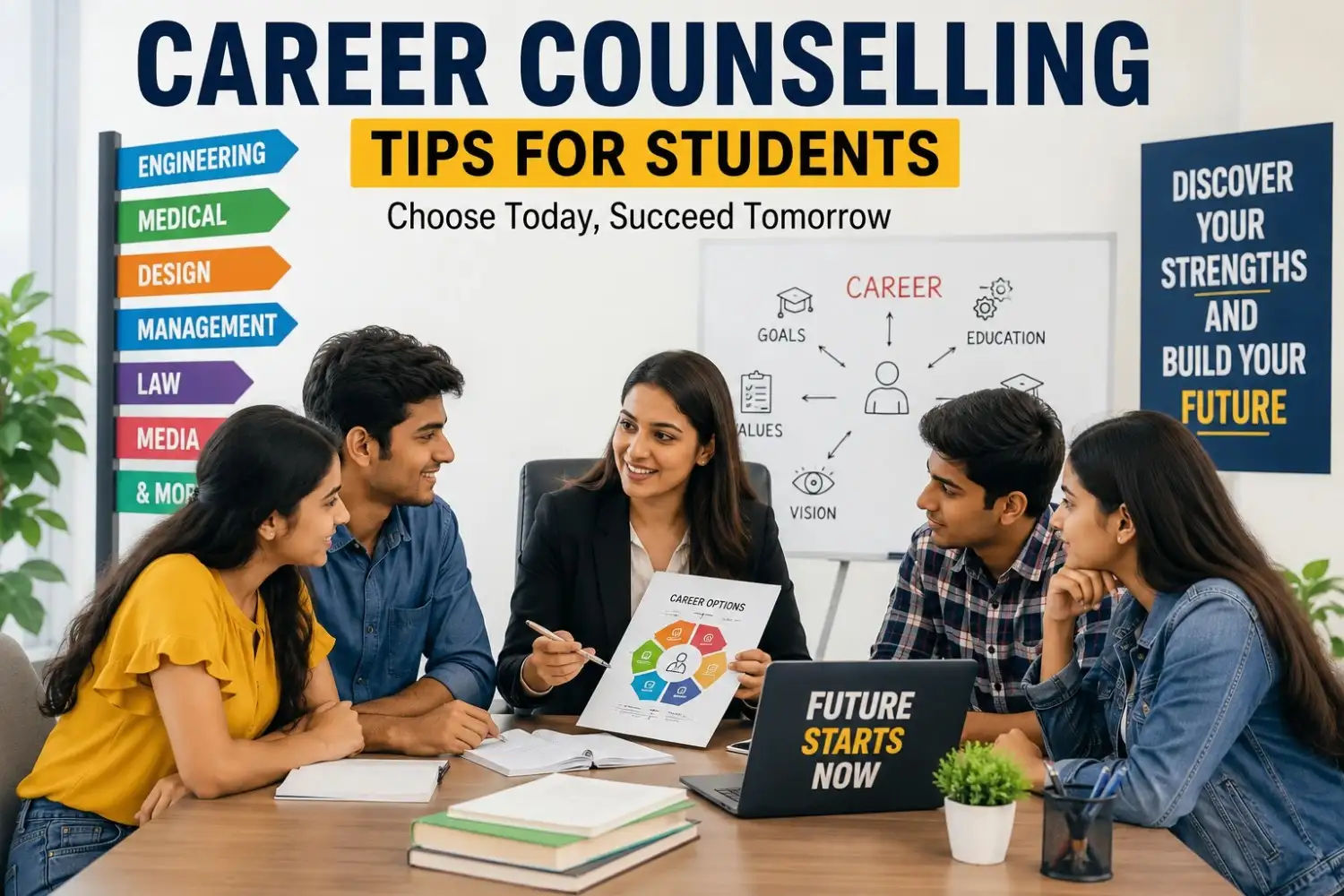
Career Counselling Tips for Students: A Complete Guide to Choosing the Right Career Path
Choosing a career is one of the most important decisions a student will ever make. The right choice can lead to personal satisfaction, financial stability, and long-term professional growth. However, many students feel confused when deciding which path to pursue.
With thousands of career options available today, traditional career choices are no longer the only route to success. New industries, emerging technologies, and evolving job markets have created opportunities that did not exist a decade ago.
This is where career counselling becomes extremely valuable.
If you are a student wondering how to identify the right career, understand your strengths, and plan your future, this guide will help you make informed decisions with confidence.
For students looking to build a strong educational foundation, the career-planning resources available at www.vidyaudbhav.com can support informed decision-making throughout the academic journey.
What Is Career Counselling?
Quick Definition
Career counselling is a structured process that helps students understand their interests, strengths, personality traits, skills, values, and career opportunities, enabling them to make informed educational and professional decisions.
A career counsellor acts as a guide who helps students:
- Understand their strengths
- Explore career opportunities
- Set realistic goals
- Choose suitable courses
- Develop career strategies
- Build confidence in decision-making.
Why Career Counselling Is Important for Students
Many students choose careers based on:
- Family pressure
- Peer influence
- Social trends
- Salary expectations
- Limited information
Unfortunately, these factors often lead to dissatisfaction later in life.
Career counselling helps students:
| Benefit | Impact |
| Better Self-Awareness | Understand strengths and interests |
| Informed Decisions | Select suitable career paths |
| Reduced Confusion | Gain clarity about options |
| Higher Motivation | Pursue meaningful goals |
| Improved Academic Performance | Align studies with career objectives |
| Long-Term Success | Build sustainable careers |
Understanding Search Intent Behind Career Planning
Before selecting a career, students should understand one important concept.
Career Choice Is Not About Trends
A career should align with:
- Interests
- Skills
- Personality
- Market demand
- Future opportunities
- Lifestyle preferences
One thing many students miss is that a high-paying profession is not always the right profession.
Success often comes from matching personal strengths with market opportunities.
Top Career Counselling Tips for Students
1. Understand Yourself First
Career decisions should begin with self-discovery.
Ask yourself:
- What subjects do I enjoy?
- What activities excite me?
- What problems do I enjoy solving?
- What are my strengths?
- What type of work environment suits me?
Understanding yourself creates the foundation for effective career planning.
Practical Exercise
Create three lists:
- Things you enjoy
- Skills you possess
- Activities you excel at
Look for common patterns.
2. Identify Your Strengths and Weaknesses
Every student has unique abilities.
Some may excel in:
- Mathematics
- Communication
- Creativity
- Leadership
- Technology
- Research
- Design
Recognizing strengths helps narrow career options effectively.
Example
A student with strong analytical skills may consider:
- Data Science
- Engineering
- Finance
- Artificial Intelligence
A creative student may explore:
- Graphic Design
- Digital Marketing
- Content Creation
- Architecture
3. Take Career Assessment Tests
Career assessments provide scientific insights into:
- Personality traits
- Interests
- Aptitude
- Learning preferences
These assessments often reveal career options students may not have considered before.
Career assessments should be viewed as guidance tools rather than final answers.
4. Research Career Options Thoroughly
Many students know only a handful of professions.
Today, career opportunities exist in:
Technology
- Artificial Intelligence
- Cyber Security
- Software Development
- Cloud Computing
- Data Analytics
Healthcare
- Medicine
- Nursing
- Physiotherapy
- Healthcare Administration
Business
- Marketing
- Finance
- Human Resources
- Entrepreneurship
Creative Fields
- Animation
- Film Production
- UI/UX Design
- Content Strategy
Emerging Careers
- Sustainability Consulting
- Digital Transformation
- Robotics
- Blockchain Development
You might be surprised by how many opportunities exist beyond traditional professions.
5. Explore Industry Trends
The world of work is changing rapidly.
Students should understand:
- Automation
- Artificial Intelligence
- Remote Work
- Digital Transformation
- Green Economy
Future-Oriented Careers
Some fast-growing fields include:
- Data Science
- AI Engineering
- Cyber Security
- Healthcare Technology
- Renewable Energy
- Digital Marketing
Career decisions should balance passion with future employability.
6. Speak With Professionals
Here is what actually works.
Instead of relying only on internet research, connect with professionals working in the field.
Ask questions such as:
- What does your typical day look like?
- What skills are most important?
- What challenges do you face?
- What advice would you give beginners?
Real-world insights often provide clarity that textbooks cannot.
7. Avoid Following Friends Blindly
This becomes more important when students reach higher secondary education.
Many students choose courses because:
- Friends are choosing them.
- Parents suggest them
- Society values them
However, your career journey is unique.
A course that works for someone else may not align with your abilities or goals.
8. Focus on Skill Development Early
Employers increasingly value skills alongside degrees.
Important skills include:
Technical Skills
- Programming
- Data Analysis
- Design Tools
- Digital Marketing
Soft Skills
- Communication
- Leadership
- Teamwork
- Problem Solving
- Critical Thinking
Students who develop skills early often gain a significant advantage.
9. Gain Practical Experience
Experience creates career clarity.
Students can:
- Intern
- Volunteer
- Participate in projects
- Join competitions
- Attend workshops
Practical exposure helps students understand whether a career truly fits their interests.
10. Create a Career Roadmap
A roadmap transforms goals into action.
Example Career Roadmap
Step 1
Identify career interest.
Step 2
Research required qualifications.
Step 3
Select a suitable educational path.
Step 4
Develop essential skills.
Step 5
Gain practical experience.
Step 6
Build a professional network.
Step 7
Apply for opportunities.
Students can also explore educational planning resources and student success guidance on www.vidyaudbhav.com to structure their career roadmap effectively.
Common Career Counselling Challenges
Students frequently face:
Information Overload
Too many options create confusion.
Fear of Failure
Students worry about making the wrong choice.
Family Expectations
Parental influence can impact decisions.
Lack of Awareness
Many students know very little about modern careers.
Financial Concerns
Course costs may affect career choices.
Recognizing these challenges helps students address them proactively.
Practical Solutions for Career Decision-Making
Use the 3-Circle Method
Evaluate careers based on:
Circle 1: Interest
Do you enjoy the work?
Circle 2: Ability
Can you perform well in the role?
Circle 3: Opportunity
Does the market demand it?
The ideal career sits at the intersection of all three circles.
Real-Life Example
Consider two students.
Student A
Chooses engineering due to peer pressure.
Result:
- Low motivation
- Poor academic performance
- Career dissatisfaction
Student B
Undergoes career counselling.
Finds strong interests in design and technology.
Pursues UI/UX Design.
Result:
- Higher engagement
- Better performance
- Strong career growth
The difference lies in informed decision-making.
Beginner Strategy for Career Planning
If you are just starting, follow these steps:
- Understand your interests.
- Identify strengths.
- Explore career options.
- Take assessments.
- Talk to professionals.
- Build relevant skills.
- Gain practical experience.
- Create long-term goals.
Consistency matters more than speed.
Advanced Career Planning Strategy
Students who already know their interests should focus on:
Building Specialized Skills
Become highly competent in your chosen area.
Networking
Connect with mentors and industry professionals.
Personal Branding
Create a professional online presence.
Portfolio Development
Showcase projects and achievements.
Continuous Learning
Industries evolve constantly.
Stay updated.
Tools That Can Support Career Planning
Beginner-Friendly Tools
- Career Assessment Platforms
- Skill Evaluation Tests
- Personality Profilers
Free Learning Platforms
- Coursera
- edX
- Khan Academy
- FutureLearn
Premium Learning Platforms
- LinkedIn Learning
- Udemy Business
- Pluralsight
Choose tools based on your goals and learning style.
Mistakes Students Should Avoid
Here is where many people make mistakes.
Choosing Based Only on Salary
High income does not guarantee satisfaction.
Ignoring Strengths
Career choices should align with abilities.
Following Trends Blindly
Trends change rapidly.
Lack of Research
Insufficient information often leads to poor decisions.
Delaying Career Planning
Early planning creates better opportunities.
Expert Tips for Successful Career Growth
Focus on Long-Term Potential
Think beyond the first job.
Learn Continuously
The most successful professionals never stop learning.
Develop Transferable Skills
Communication and leadership are valuable across industries.
Stay Adaptable
Career paths evolve.
Flexibility creates opportunities.
Seek Guidance
Professional counselling can save years of confusion.
Best Practices for Students
- Maintain curiosity
- Explore multiple options
- Build practical skills
- Network regularly
- Set measurable goals
- Track progress
- Review plans annually
- Stay informed about industry changes.
These habits create strong career foundations.
Future Trends in Career Counselling
Career counselling is evolving rapidly.
Future developments include:
AI-Powered Assessments
More personalized recommendations.
Data-Driven Career Mapping
Better career forecasting.
Skills-Based Hiring
Employers are focusing more on abilities than degrees.
Hybrid Careers
Combining expertise from multiple fields.
Global Opportunities
Remote work expanding international career options.
Students who understand these trends will be better prepared for future job markets.
Actionable Final Advice
If you remember only one thing from this guide, remember this:
Do not choose a career based solely on popularity, pressure, or assumptions.
Choose a career based on:
- Self-awareness
- Skills
- Interests
- Opportunities
- Long-term goals
The earlier students begin structured career planning, the more opportunities they can create for themselves.
Resources related to career exploration, educational guidance, student success roadmaps, and higher education planning can be explored through www.vidyaudbhav.com as part of a comprehensive career development journey.
Conclusion
Career counselling helps students make informed, confident, and strategic decisions about their future. In today’s competitive and rapidly changing world, understanding yourself is just as important as understanding the job market.
Students who invest time in self-assessment, career exploration, skill development, and professional guidance are far more likely to build fulfilling and successful careers.
The best career is not necessarily the most popular one—it is the one that aligns with who you are and where you want to go.
Frequently Asked Questions (FAQs)
1. What is career counselling for students?
Career counselling is a process that helps students identify suitable educational and career paths based on their interests, skills, personality, and goals.
2. When should students start career counselling?
Students can begin career counselling as early as secondary school to make informed educational and career decisions.
3. Why is career counselling important?
It helps students reduce confusion, explore opportunities, make informed decisions, and improve long-term career success.
4. Can career counselling help choose the right course?
Yes. Career counselling helps students understand which courses align best with their abilities, interests, and future goals.
5. How do career assessment tests help students?
These tests evaluate personality, aptitude, interests, and strengths to suggest suitable career directions.
6. What is the biggest mistake students make when choosing careers?
One of the most common mistakes is choosing a career based solely on peer pressure, family expectations, or salary potential.
7. Is career counselling useful for college students?
Absolutely. College students can use career counselling to refine goals, choose specializations, and prepare for employment opportunities.