

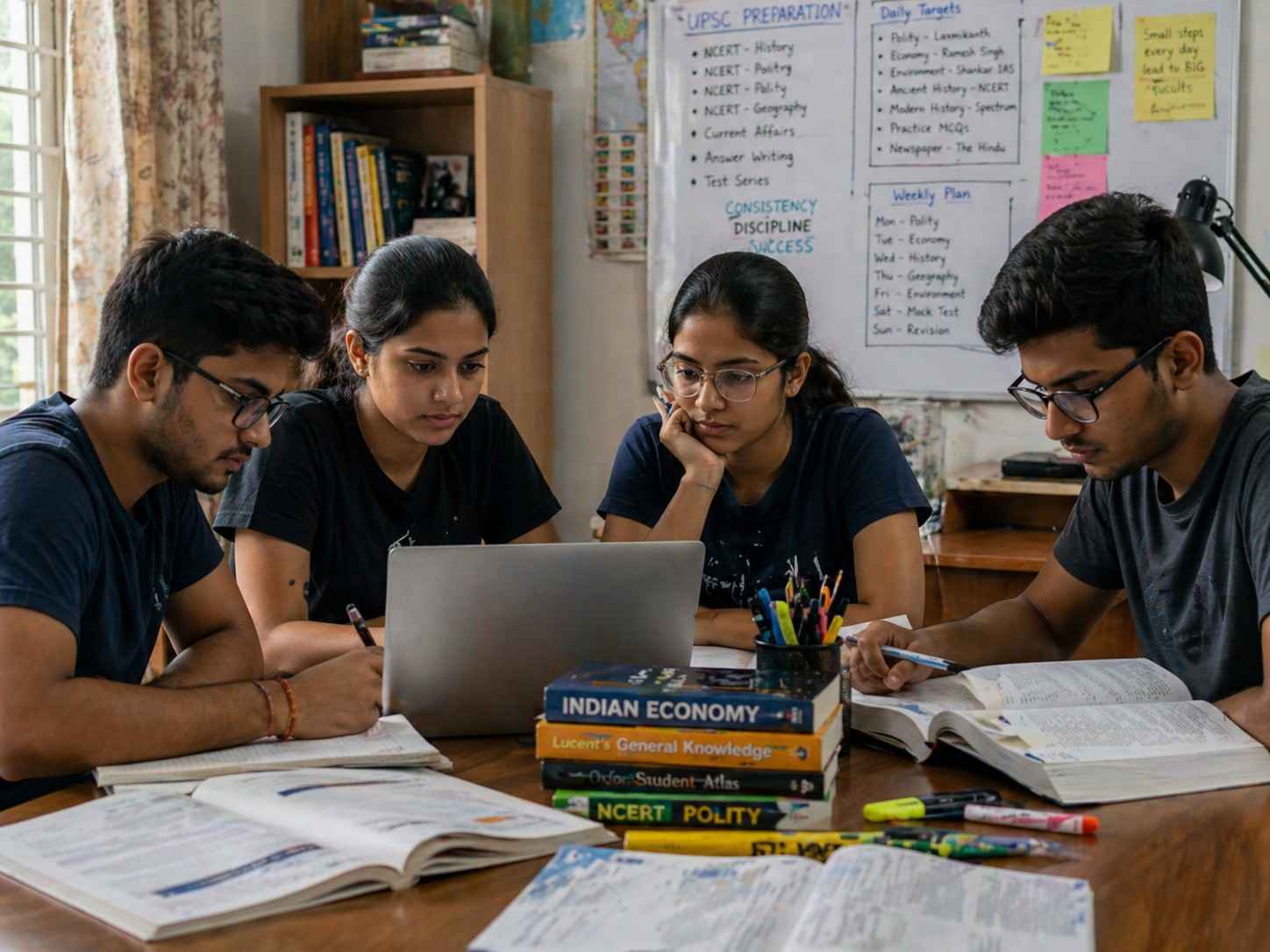
Introduction
Getting admission into a top college in India is a dream for many students. Whether it is an IIT, AIIMS, DU, or a reputed private university, the journey often feels confusing and stressful.
You might be thinking:
Where do I start?
Which exam should I prepare for?
What if I don’t have coaching?
Where do I start?
Which exam should I prepare for?
What if I don’t have coaching?
Here is what actually works.
This guide is written especially for Indian students and beginners. It explains everything simply, with practical steps, low-cost methods, and real-life strategies you can follow without expensive coaching.
Understanding What “Top Colleges” Mean in India
Before jumping into preparation, it is important to understand what top colleges actually are.
In India, top colleges are generally those that offer:
- High-quality education
- Good placement opportunities
- Strong faculty and infrastructure
- National or global recognition
Popular Categories of Top Colleges
| Engineering | IITs, NITs | JEE Main, JEE Advanced |
| Medical | AIIMS, Government Medical Colleges | NEET |
| Commerce | SRCC, Hindu College | CUET |
| Law | NLUs | CLAT |
| Management | IIMs | CAT |
| Private Universities | Ashoka, Amity, Shiv Nadar | Entrance + Merit |
Step 1: Choose the Right Stream Early
Your journey starts from Class 10 or 11.
Streams Available
- Science (PCM or PCB)
- Commerce
- Arts/Humanities
How to Choose
Ask yourself:
- What subjects do I enjoy?
- What career do I want?
- Am I comfortable with Maths or Biology?
Example
If you want to become a doctor, choose PCB and prepare for NEET.
If you want engineering, go for PCM and prepare for JEE.
If you want engineering, go for PCM and prepare for JEE.
Avoid choosing a stream just because your friends are choosing it.
Step 2: Know the Entrance Exams
Most top colleges in India give admission through entrance exams.
Major Exams You Should Know
- JEE Main and Advanced (Engineering)
- NEET (Medical)
- CUET (Central Universities like DU, BHU)
- CLAT (Law)
- NIFT (Design)
- NDA (Defense)
Important Tip
Do not prepare for too many exams at once. Focus on 1–2 major exams based on your goal.
Step 3: Build a Strong Study Plan
Many students fail not because they are weak, but because they don’t have a plan.
Simple Study Plan for Beginners
- Study 5–6 hours daily (start small, increase gradually)
- Divide time into subjects.
- Include revision time
- Practice questions daily
Example Daily Routine
- Morning: Concept learning (2 hours)
- Afternoon: Practice questions (2 hours)
- Evening: Revision + mock tests (1–2 hours)
Consistency matters more than long study hours.
Step 4: Use Affordable Study Resources (India-Friendly)
You do not need expensive coaching to succeed.
Free or Low-Cost Platforms
- YouTube channels (Physics Wallah, Unacademy free content)
- NCERT books (very important)
- Government apps like DIKSHA
- Previous year question papers
Budget-Friendly Apps
- Testbook
- Gradeup (BYJU'S Exam Prep)
- Khan Academy (for basics)
Important Tip
NCERT books are the foundation for exams like NEET and CUET. Do not ignore them.
Step 5: Practice Previous Year Papers
This is one of the most important steps.
Why It Matters
- Helps you understand the exam pattern
- Improves speed and accuracy
- Builds confidence
How to Practice
- Solve at least the last 10 years' papers.
- Time yourself while solving.
- Analyze mistakes
Real Example
Many JEE toppers say they solved previous year papers multiple times.
Step 6: Take Mock Tests Seriously
Mock tests are like real exams.
Benefits
- Time management improves
- Reduces exam fear
- Helps identify weak areas
How Often?
- Once a week (beginner)
- 2–3 times a week (closer to exam)
Tip
Always analyze your mock test. Just giving tests is not enough.
Step 7: Focus on Concepts, Not Ratta (Cramming)
Indian students often make this mistake.
What Works Better
- Understand concepts
- Practice application-based questions
- Avoid memorizing without understanding.
Example
Instead of memorizing formulas in Physics, understand how to use them.
Step 8: Manage Time Along with School or College
Balancing school and entrance exam prep can be tough.
Practical Tips
- Use school hours effectively.
- Study early morning or late evening
- Avoid wasting time on social media.
Example Routine for School Students
- School: 8 AM to 2 PM
- Rest: 2 PM to 4 PM
- Study: 4 PM to 8 PM
Step 9: Stay Consistent and Avoid Burnout
Many students start strong but lose motivation.
Common Problems
- Lack of consistency
- Overthinking
- Comparing with others
What You Should Do
- Take short breaks
- Follow a realistic schedule.
- Stay away from negative people.
Remember, slow progress is still progress.
Step 10: Prepare for Counseling and Admission Process
Clearing the exam is not the final step.
After Exam
- Fill out counseling forms
- Choose colleges wisely
- Keep documents ready
Important Documents
- Class 10 and 12 marksheets
- Entrance exam scorecard
- ID proof
- Category certificate (if applicable)
Common Mistakes Students Should Avoid
1. Starting Preparation Too Late
Many students start in Class 12, which creates pressure.
2. Ignoring NCERT
Especially for NEET and CUET, NCERT is very important.
3. Not Revising
Without revision, you will forget what you studied.
4. Following Too Many Resources
Stick to limited and quality resources.
5. Comparing Yourself
Everyone has a different journey.
Practical Tips That Actually Work
- Make short notes for revision.
- Study daily, even if for 2 hours.
- Use the mobile only for study.
- Solve doubts quickly
- Stay healthy and sleep properly.
Low-Cost Strategy for Students Without Coaching
If you cannot afford coaching, follow this plan:
Step-by-Step Plan
- Study from NCERT
- Watch free YouTube lectures.
- Solve previous year papers.
- Take free mock tests online.
- Join free Telegram or WhatsApp study groups.
Reality Check
Many toppers have cleared exams without coaching. It is possible.
Useful Online Resources for Indian Students
- Government e-learning platforms
- Free YouTube educators
- Online test series platforms
- Educational blogs
How to Stay Motivated During Preparation
Motivation does not stay forever. Discipline does.
What Helps
- Set small goals
- Track your progress
- Reward yourself after completing targets.
Example
After finishing a chapter, take a break or watch something you like.
Final Action Plan (Simple and Clear)
If you are confused, just follow this:
- Choose your goal (Engineering, Medical, etc.)
- Know the exam
- Study the NCERT daily
- Practice questions
- Take mock tests
- Revise regularly
- Stay consistent
That’s it. No need to overcomplicate.
Conclusion
Getting admission into top colleges in India is not just about intelligence. It is about consistency, smart strategy, and the right mindset.
You do not need expensive coaching or a special background. What you need is clarity, discipline, and daily effort.
You might feel overwhelmed at times. That is normal. Just keep going.
One step every day is enough.