

Introduction
After months of preparing for exams, checking cut-offs, and waiting for counselling results, many students in India still find themselves without a confirmed college seat. If you are in that situation, you might be thinking, “Is there still any chance for admission this year?”
Yes, there is. And that’s where spot admission comes in.
Spot admission is one of the last opportunities for students to secure a college seat after the main counselling rounds are over. It is fast, competitive, and often confusing for beginners. But if you understand how it works, you can still grab a good opportunity.
In this detailed guide, I will explain everything you need to know about spot admission in India in a simple and practical way. Whether you are a Class 12 student, a dropper, or someone who missed earlier rounds, this guide will help you make smart decisions.
What is Spot Admission?
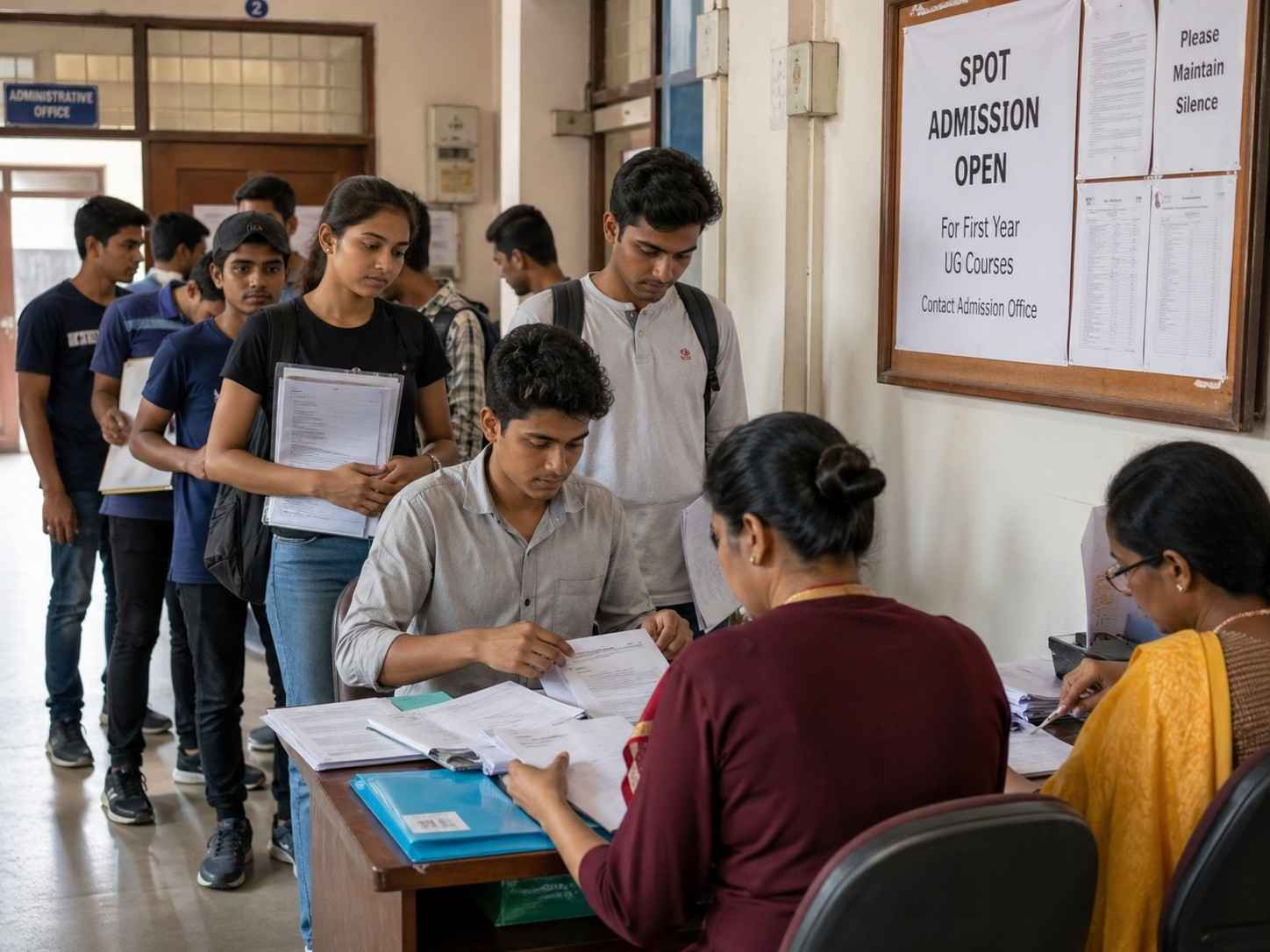
Spot admission is the final round of admission conducted by colleges or universities to fill vacant seats after regular counselling and admission rounds have been completed.
In simple words:
- Some students do not join after getting a seat.
- Some cancel their admission.
- Some seats remain empty.
Instead of leaving those seats vacant, colleges open them for direct admission through spot rounds.
These admissions are usually done:
- On a first-come, first-served basis
- Based on merit (marks or rank)
- Through physical or online reporting
Why Do Colleges Conduct Spot Admission?
You might wonder why colleges wait till the last moment.
Here is what actually happens:
1. Students Drop Out
Many students take admission in multiple colleges and later cancel one.
2. Upgradation Issues
Some students move to better colleges in later rounds, leaving previous seats empty.
3. Payment or Document Issues
Some candidates fail to complete formalities.
4. Reserved Seats Remain Vacant
Reserved category seats sometimes remain unfilled and are converted to general seats.
For these reasons, colleges conduct spot admissions to ensure maximum seat utilisation.
Types of Spot Admission in India
Spot admission is not the same everywhere. It depends on the course and institution.
1. College-Level Spot Admission
- Conducted directly by colleges
- Common in private colleges
- Flexible eligibility
2. University Spot Round
- Conducted by universities
- Strict rules and merit-based
3. Centralised Spot Admission
- Conducted through a counselling body
- Example: Engineering or medical counselling
4. Offline Spot Admission
- Students must physically visit the campus.
5. Online Spot Admission
- Registration and seat allotment happen online.
Courses Where Spot Admission is Common
Spot admission is widely available in many courses in India:
- Engineering (B.Tech)
- Management (BBA, MBA)
- Arts and Commerce (BA, B.Com)
- Pharmacy (B.Pharm)
- Hotel Management
- Diploma courses
- Some paramedical and skill-based courses
For highly competitive courses like MBBS, spot rounds are limited and strictly regulated.
Step-by-Step Process of Spot Admission
Let’s break it down into simple steps so you can understand clearly.
Step 1: Check Official Notifications
Visit the official website of colleges or counselling authorities regularly.
Look for:
- “Spot Admission Notice”
- “Vacant Seat List”
- “Final Round”
Step 2: Register for Spot Round
Some colleges require registration. Others allow direct entry.
Step 3: Visit the College (If Required)
For offline spot admission:
- Reach early in the morning.
- Carry all documents
Step 4: Document Verification
Your documents will be checked on the spot.
Step 5: Seat Allotment
Seats are allotted based on:
- Merit
- Availability
- Category
Step 6: Fee Payment
You must pay fees immediately to confirm your seat.
Important Documents Required
Always carry both the original and photocopies:
- Class 10 and 12 mark sheets
- Entrance exam scorecard (if applicable)
- Transfer Certificate (TC)
- Migration Certificate
- ID proof (Aadhaar card)
- Passport-size photos
- Category certificate (if applicable)
Tip: Keep documents in a file. Many students lose opportunities due to missing papers.
Spot Admission vs Regular Admission
Here is a simple comparison to help you understand better:
| Timing | Early rounds | Final rounds |
| Competition | High | Moderate to high |
| Process | Structured | Fast and direct |
| Seat Availability | More options | Limited seats |
| Flexibility | Less | More (in private colleges) |
Advantages of Spot Admission
Spot admission can be a lifesaver if used wisely.
1. Last Chance Opportunity
You still get a chance to study in the same academic year.
2. Less Competition in Some Cases
Many students drop out, reducing competition.
3. Direct Interaction with College
You can talk to officials and understand the details better.
4. Flexibility in Private Colleges
Some colleges offer relaxed eligibility or fee discussions.
Disadvantages of Spot Admission
It is not always perfect. You should be aware of risks.
1. Limited Seats
The options are fewer compared to earlier rounds.
2. Pressure Situation
You must decide quickly.
3. Higher Fees (Sometimes)
Some private colleges may charge higher fees.
4. Travel and Time
You may need to travel urgently.
Who Should Consider Spot Admission?
Spot admission is ideal for:
- Students who missed counselling rounds
- Students who did not get the desired college
- Students are waiting for better options
- Droppers who want to avoid another gap year
Budget-Friendly Tips for Indian Students
Let’s be practical. Not everyone can afford expensive colleges.
1. Focus on Government Colleges First
They offer:
- Lower fees
- Better value
2. Compare Fees Before Confirming
Do not rush. Ask about:
- Tuition fees
- Hostel charges
- Hidden costs
3. Look for Scholarships
Some colleges offer:
- Merit-based scholarships
- Financial aid
4. Consider Nearby Colleges
Save money on travel and accommodation.
Useful Platforms to Check Spot Admission Updates
Here are some helpful sources:
- Official college websites
- State counselling portals
- Education news portals
You can also explore helpful student resources and updates on this page:
https://www.vidyaudbhav.com/blog
https://www.vidyaudbhav.com/blog
Common Mistakes to Avoid
Many students lose opportunities because of small mistakes.
1. Not Checking Updates Regularly
Spot rounds are announced suddenly.
2. Late Arrival
Seats can get filled quickly.
3. Missing Documents
This is very common and costly.
4. Not Researching the College
Do not take admission blindly.
5. Panic Decisions
Take a few minutes to think before confirming.
Real-Life Example (Indian Context)
Let’s say Rahul from Delhi applied for engineering but didn’t get a seat in the first rounds.
Instead of waiting another year, he:
- Checked spot admission notices
- Visited a government engineering college
- Secured a seat in a decent branch
Today, he is completing his degree without losing a year.
This is how smart use of spot admission works.
Practical Strategies That Actually Work
Here is what experienced students do:
1. Keep Multiple Options Ready
Do not depend on one college.
2. Stay Updated Daily
Check websites every day during admission season.
3. Reach Early
Being early gives you an advantage.
4. Stay Calm
Do not panic. Think clearly.
5. Ask Questions
Talk to staff about placements, fees, and facilities.
Is Spot Admission Safe?
Yes, spot admission is safe if:
- It is conducted by a recognised college or university.
- You verify all details properly.
Avoid:
- Agents or middlemen
- Unofficial offers
Always trust official sources.
Final Advice for Students
If you are going through admission stress, remember this:
You still have options.
Spot admission is not a backup for weak students. It is simply another pathway.
Here is what you should do right now:
- Start checking college websites daily.
- Prepare your documents
- Shortlist colleges in advance
- Be ready to act quickly.
You might be thinking, “Will I get a good college through spot admission?”
The honest answer is:
Maybe not the top college, but definitely a good enough option to start your journey.
Maybe not the top college, but definitely a good enough option to start your journey.
And sometimes, what matters more is what you do after admission.